Maine: A Natural Hub for Blue Biotechnology
A cod fillet sells for $12. Use the whole fish, and it's worth closer to $3,500. That's the scale of opportunity our first Blue Biotechnology Innovation Studio is chasing, and why Maine, home to the US's fastest-growing seaweed industry and one of its top ocean science labs, is positioning itself to lead it. Read on to find out what our first cohort is building, and what it will take to scale the next wave of innovations.
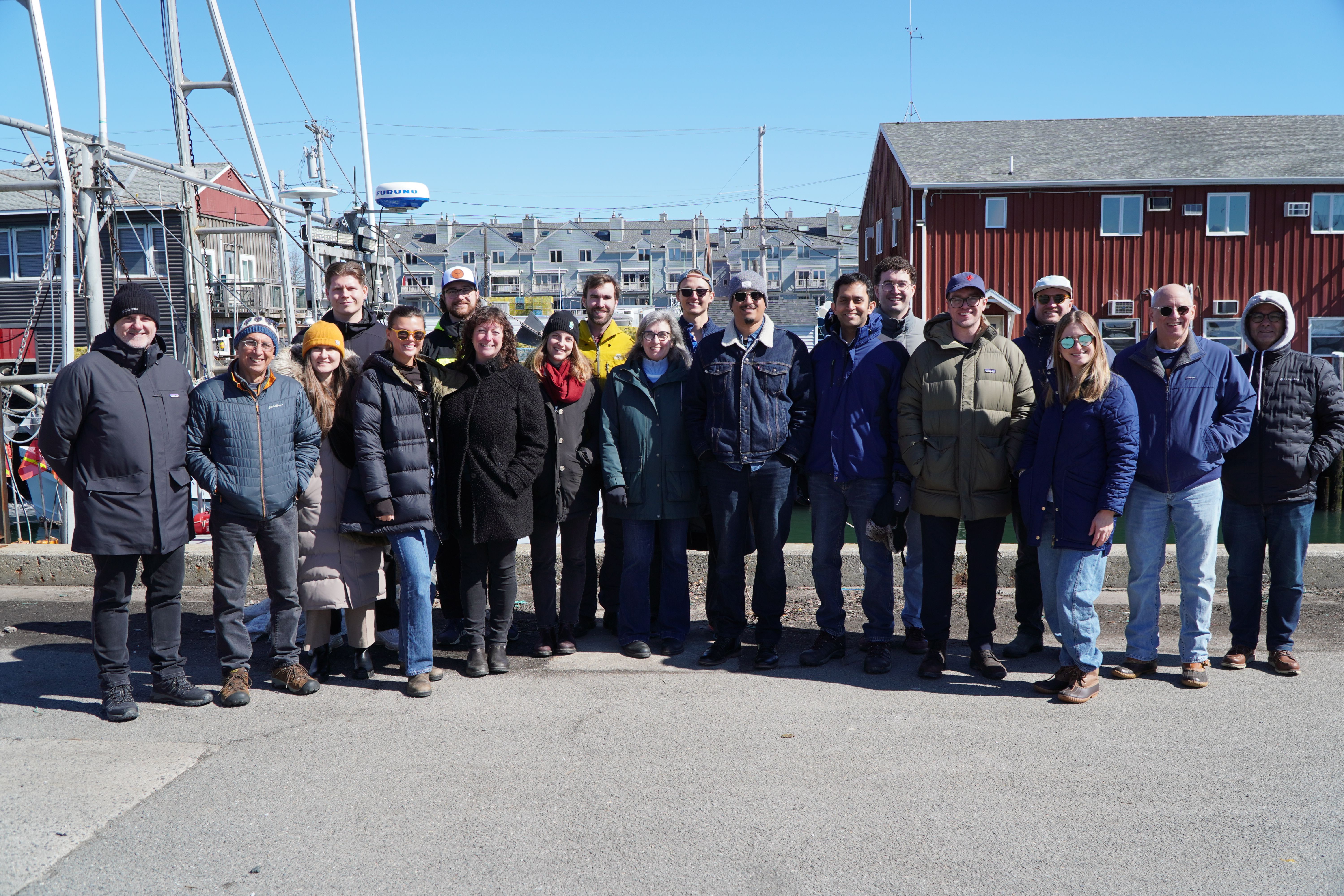
Earlier this year, ten early-stage companies from Maine, the US, Canada, and Europe gathered at Bigelow Laboratory for Ocean Sciences for the world's first Blue Biotechnology Studio – hosted by Hatch Blue and Bigelow Laboratory for Ocean Sciences, and supported by the Maine Technology Institute.
Blue biotechnology converts marine resources into value-added products such as food, feed, cosmetics, nutraceuticals, pharmaceuticals, & biobased materials. The sector is starting to take shape commercially, and Maine is making a claim to lead it.
The Studio helps early-stage blue biotechnology companies move from early traction to commercial scale. It begins with an intensive two-week residency, and folds into a nine-month journey of mentorship, strategic support, and ongoing engagement. The goal is to connect founders with the buyers, investors, and scientific partners who can help their business get to the next stage. Beyond supporting individual companies, the programis designed to strengthen the wider regional blue biotechnology innovation ecosystem, ensuring it is more connected, capable, and resilient.
Why Maine, and Why Now
Maine was a deliberate choice. Few places combine the marine resources, scientific depth, and commercial reach that blue biotechnology needs. Fewer still have built an economy around the ocean, over centuries, the way Maine has.
The state is home to the nation's fastest-growing seaweed aquaculture industry and its most diverse algae culture collections. It has roughly 3,500 miles of coastline, deep marine research capacity anchored by Bigelow, one of the world's leading ocean sciences laboratories. Boston's life sciences ecosystem is a mere 2-hour drive away. For founders, that means raw material, research and market access in one place. Government support, mentors and a collaborative innovation community fill the gaps in between.
"You can really feel the momentum building," said Beth Orcutt, Bigelow's vice president for research, as the teams arrived in East Boothbay for the two-week residency.
That two-week sprint culminated in the North Atlantic Blue BioTech Summit in Portland, bringing founders, investors, and corporates together to ask where the sector goes from here. Thor Sigfússon of the Iceland Ocean Cluster captured the opportunity in a single number: a cod worth $12 as a fillet can be worth around $3,500 when the whole fish is utilised, unlocking applications far beyond what lands on our plates.

What the Cohort Is Building
The ten companies span the full marine value chain, from breeding better seaweed to extracting value from waste.
- Food & nutrition: Koralo is co-fermenting microalgae and mycelium into functional nutrition ingredients, already at industrial scale; Atlantic Blue Bio is starting up a Maine biorefinery for high-purity fucoidan and alginate from farmed kelp; and Atlantic Sea Solutions makes seaweed-based edible coatings that extend shelf life and cut food waste.
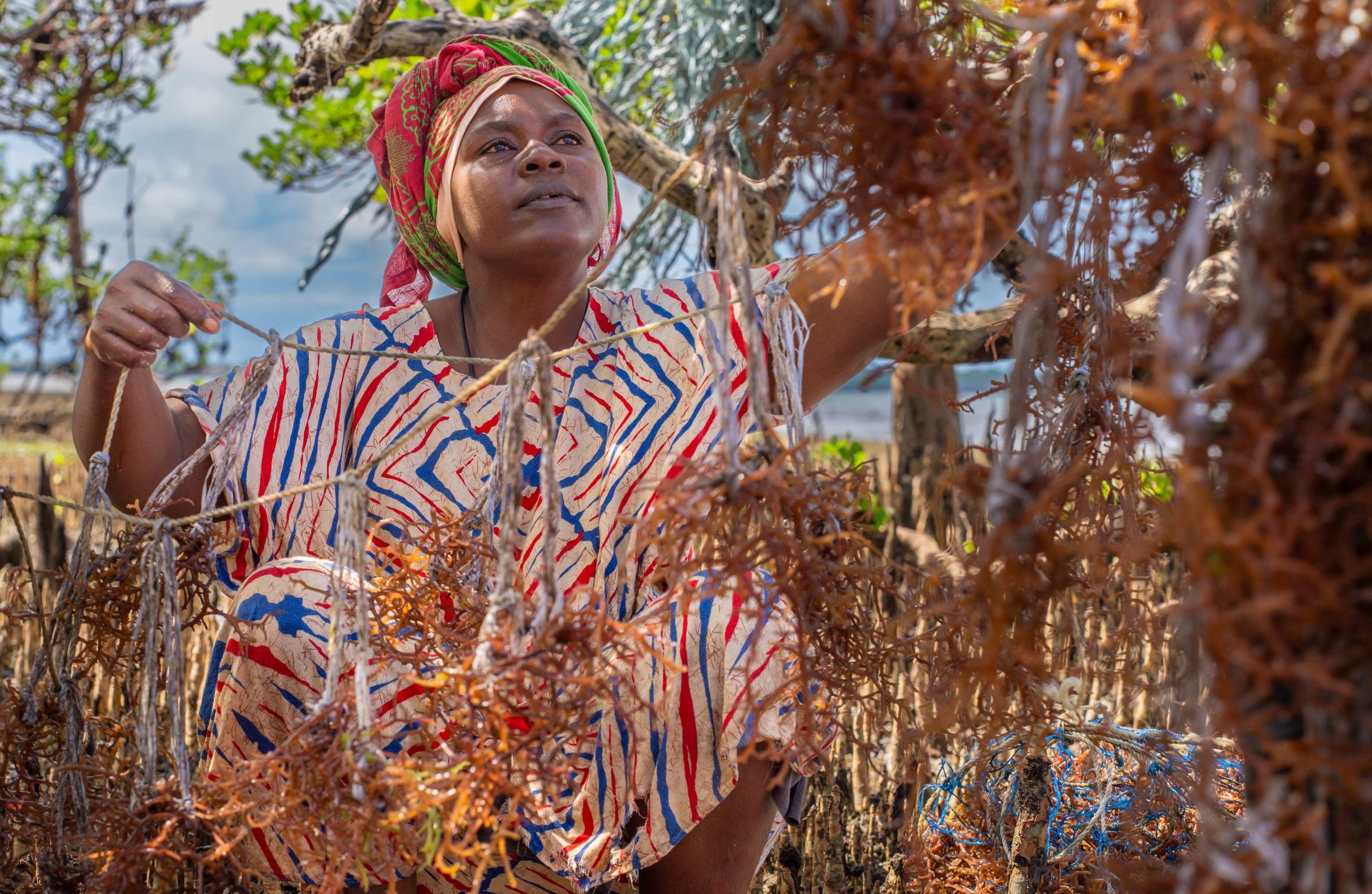
- Algae innovation: MacroBreed is using genomics to breed better kelp, and Kelpinor is developing seaweed-derived biostimulants for vertical farming.
- Animal & aquaculture health: SEVO Bioscience is building oral vaccines delivered through engineered microalgae, while RuMeverse pairs seaweed feed additives with sensors to improve dairy herd performance.
- Marine circularity: CapiPro converts salmon-farm sludge into protein, Kykloris turns shellfish waste into high-performance chitosan, and Salmonics turns aquaculture by-products into biomedical and veterinary surgical materials.
Looking forward
The science is advancing, the founders are building and the industry is paying attention.
The challenge now is scale: the capital, supply chains, customers, and infrastructure needed to turn promising technologies into commercial businesses. The Maine Blue Biotech Studio showed what is possible when companies, investors, and industry come together. And this is just the start.
Hatch Blue and Bigelow Laboratory for Ocean Sciences are now developing the next phase: an expanded programme that builds on what the first Studio proved, with a broader offering for companies and the ecosystem around them. To deliver it, we are looking for partners from industry, government, and investment who want to help shape the sector from the ground up.
The pieces are already there. The opportunity now is to connect them, and turn Maine’s relationship with the ocean into a platform for the next generation of biotechnology.
Article by Leah Davies, Program Associate [21 August 2026]
Related Posts
Where Is Capital Flowing in Norway’s Salmon Farming Landscape?
Canada's First Aquaculture Studio: What We Learned
What It Will Take to Scale Seaweed Biostimulants