Investments
Aquaculture is where our specialist knowledge produces the biggest advantage
Discover how we invest. We source deals early, test them against industry realities and back founders with field expertise and connections.
Key stats
€118M
85+
3,300+
Profitable. Technological. Ecological. That’s how we see aquaculture
Our approach comes from nearly a decade investing in the sector: what we backed, what we passed on, and what happened once a technology had to work on a real farm. That’s where our specialist knowledge gives us the biggest advantage, and some of it travels into adjacent industries too.
Familiar technologies.
Uncharted waters


Our funds
The Nature Conservancy serves as Conservation Manager, helping assess, monitor and report on the portfolio’s contribution to healthier oceans, lower emissions and economic opportunities for coastal communities.
Series B
€5M
to Seed
to Seed
Our portfolio
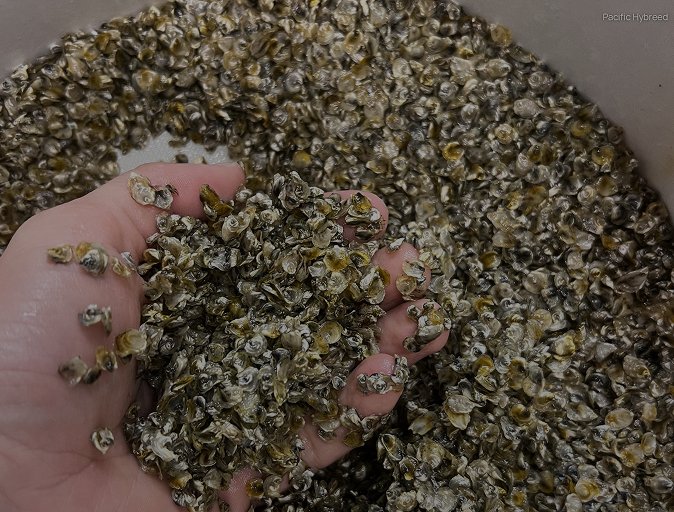
Natural astaxanthin for sustainable aquaculture

A fundamentally
new sensor technology

Cutting methane
and supporting livestock growth

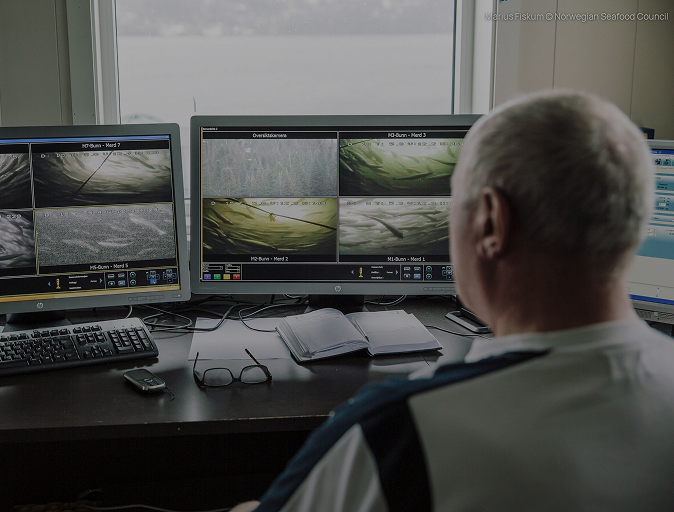
Giving farmers eyes inside their riskiest operations

The special in specialists
Your company. Our commitment
We’re most useful to founders who need a close investment partner, a route into aquaculture and connections that move their business forward.
A partner for the decisions that matter

The right people within reach

A clearer route to market

Join a programme
Let’s talk
Have a question about our investment approach or portfolio? We’ll be delighted to talk.
FAQs
For HFII, the standard initial investment is $75,000 via an uncapped, step discounted Safe note.
For Hatch Accelerator Fund II, the standard initial investment is $75,000 via an uncapped, step discounted Safe note.
For Blue Revolution Fund, our ticket sizes range between €500,000 up to €6,000,000 and vary from company by company. We do go above and beyond and open for discussion. We are open to leading or co-leading. We reserve a significant portion of our capital for follow-on investments.
For Blue Revolution Fund , it takes on average 4-6 months from initial conversation to final close of the deal. While we often try to move at the pace of the founder or founding team, the time length depends on the complexity of the deal.
Here’s the general steps every founding team goes through:
- Initial engagement: we first review your pitch deck in detail. If the business is interesting, we move into an initial 30 minutes meeting with the founder / founding team. We let the founder do most of the talking and hope you use the opportunity to dive deeper into your team, business, market and products.
- Assessment: if you pass the initial meeting, you’ll spend more time with your Blue Revolution Fund deal flow team as we continue to learn more about each other over a few calls. The dealflow team will initiate an assessment note and meet weekly to discuss key decisions and new insights. In parallel, we share your company information with our Conservation Manager The Nature Conservancy to carry out initial impact screening of your company.
- Final decision: if all looks good and interest remains strong among our dealflow team, our investment committee will discuss your company in great detail to give you a final answer. Then comes the legal work to finalise the deal and transfer capital.
Blue Revolution Fund : No. We’d like to own enough of each company to make sure our incentives align and we can provide meaningful resources and time to help you build. Unlike some traditional venture funds requesting 20 to 25% ownership, we do not have such requirements
We generally take a board seat (and meet quarterly with our founders) and provide value add in areas where we can, for example, introducing ingredient companies to trialling partners or potential buyers, but we do not overstep and micromanage founder’s decisions. We are open to brainstorming and feel a sense of pride when our companies sprout and thrive.
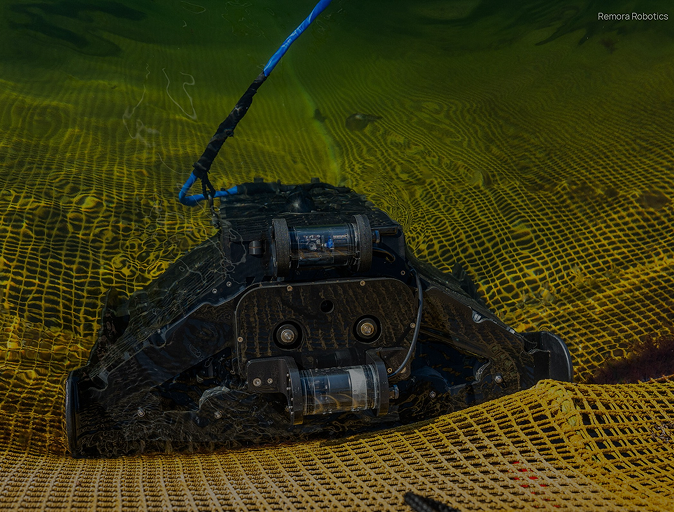
We back technologies and companies transforming aquaculture, including AI, robotics, nutrition and animal health. Some serve aquaculture directly; others have applications across several industries. Our specialist knowledge helps us understand where a technology can make a difference and how it can reach its market.
Yes. We also back companies whose technologies can move between aquaculture and adjacent industries. What matters is a clear aquaculture application and a role for our expertise in helping the company grow.
Our accelerator funds have backed pre-seed and seed companies, with initial investments of US$75,000. The Blue Revolution Fund covers seed to Series B, with initial investments of €500,000 to €5M. These describe the existing funds; they are not an open call for applications.
Fund I is fully deployed. Fund II is no longer making new investments. Their portfolios remain part of the companies we have backed.
Yes although it is coming to a close soon, meaning there will only be a few more investments into new companies. The rest will be follow on investments.
The Nature Conservancy serves as conservation manager, helping assess, monitor and report on impact across biodiversity, climate and coastal communities.
