The 5 Innovations That Will Redefine the Future of Sustainable Salmon Farming
.png)
The salmon farming industry is heading into one of the most transformative technology decades in its history. At Hatch Blue, we are seeing an unprecedented wave of innovation that is changing how we grow, feed and process salmon.
From my 20 years of working in the industry, I am highly confident that the future of salmon farming and feed will look radically different from today’s model, shaped by data-driven systems, novel biological solutions and circular approaches that extend sustainable impact far beyond the farm gate.
Here are five areas of innovation that I believe will redefine the coming years of salmon farming:
1. AI, IoT & the Digital Ocean
Artificial intelligence and connected sensors are moving us toward a new paradigm: the intelligent farm. Real-time data streams now make it possible to anticipate fish behavior, manage health proactively and optimize feed performance with a level of precision that would have been hard to imagine only a few years ago.
The real breakthrough, however, will come from integration — connecting biology, operations, and environment into a unified digital ecosystem. Those who master this “digital ocean” will unlock both farming efficiency and ecological insight, setting a new standard for transparency and trust in salmon production.
2. Novel Farming Technologies
The future of salmon farming will no longer be limited to the handful of coastal locations traditionally suited to cages. Offshore farms, closed containment and hybrid land-sea systems are creating new frontiers for salmon production. These technologies promise improved biosecurity, tighter environmental control and fewer conflict with other coastal activities.
The underlying story here is resilience. Adaptive farming systems will enable producers to operate sustainably in a changing climate — managing biological risk while keeping pace with evolving consumer and regulatory demands.
3. Next-Generation Feeds
Feed innovation remains the single most powerful lever for both sustainability and profitability. The rise of microbial, insect and algae-based ingredients is bringing alternatives into the supply chains, offering new sources of protein and omega-3s that are independent of wild fisheries.
Feed companies that can combine nutritional performance with traceable, low-carbon inputs will set a new benchmark for responsible growth — and redefine what “premium” means in the seafood market.
4. Genetic Innovation and Precision
Genomic tools are advancing faster than regulations can keep up, creating major opportunities to improve disease resistance, growth efficiency and environmental adaptability. With this, however, comes a responsibility to ensure genetic innovation is transparent, ethical and aligned with public values.
The central question for the next decade will not just be whether we can use technologies like CRISPR or genomic selection — but how we should use them. The industry’s social license will depend on that conversation.
5. Circularity and Regenerative Systems
Waste is rapidly being reframed as a resource. From biogas derived from sludge to high-value collagen and omega products from by-products, a circular mindset is emerging along the value chain.
This regenerative approach will distinguish the most forward-looking producers — those able to turn side streams into revenue streams while lowering environmental impact. In doing so, salmon farming can become a reference point for resource efficiency in global food systems.
The Decade Ahead for Salmon Farming
Our industry’s next chapter will be defined, not by incremental improvement, but by system-level redesign. The convergence of digital, biological and circular innovations offers us a rare opportunity to move from extractive to regenerative aquaculture.
Those who embrace innovation not simply as a technology race, but as a systems transformation, will help set the blueprint for truly sustainable blue growth. The future of salmon farming is not about producing more fish — it’s about producing more value and knowledge for a more resilient food system.
Tanja Hoel, Managing Director of Hatch Blue Norway - 8 January 2026
Related Posts
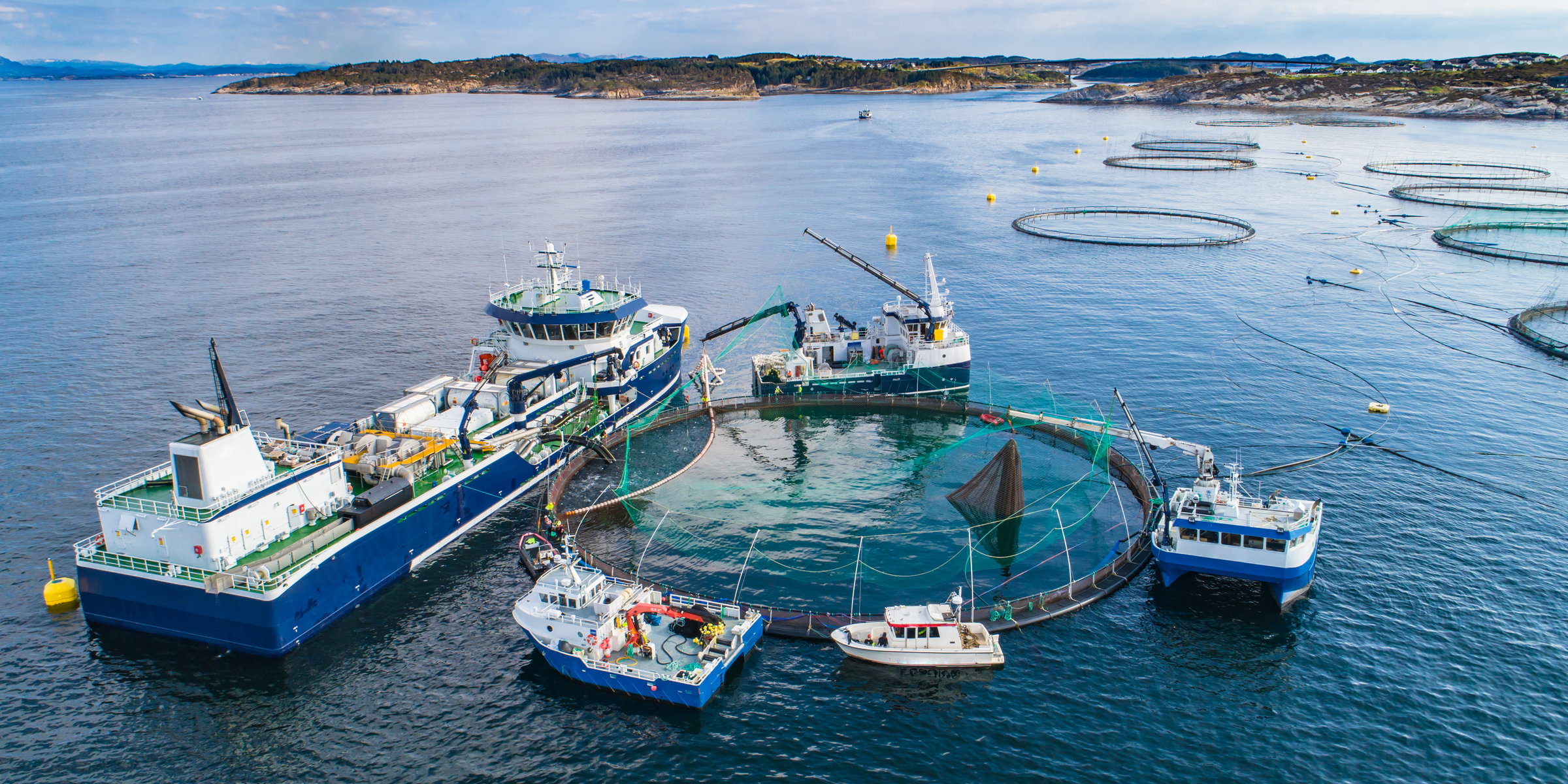
Where Is Capital Flowing in Norway’s Salmon Farming Landscape?
Maine: A Natural Hub for Blue Biotechnology
Canada's First Aquaculture Studio: What We Learned