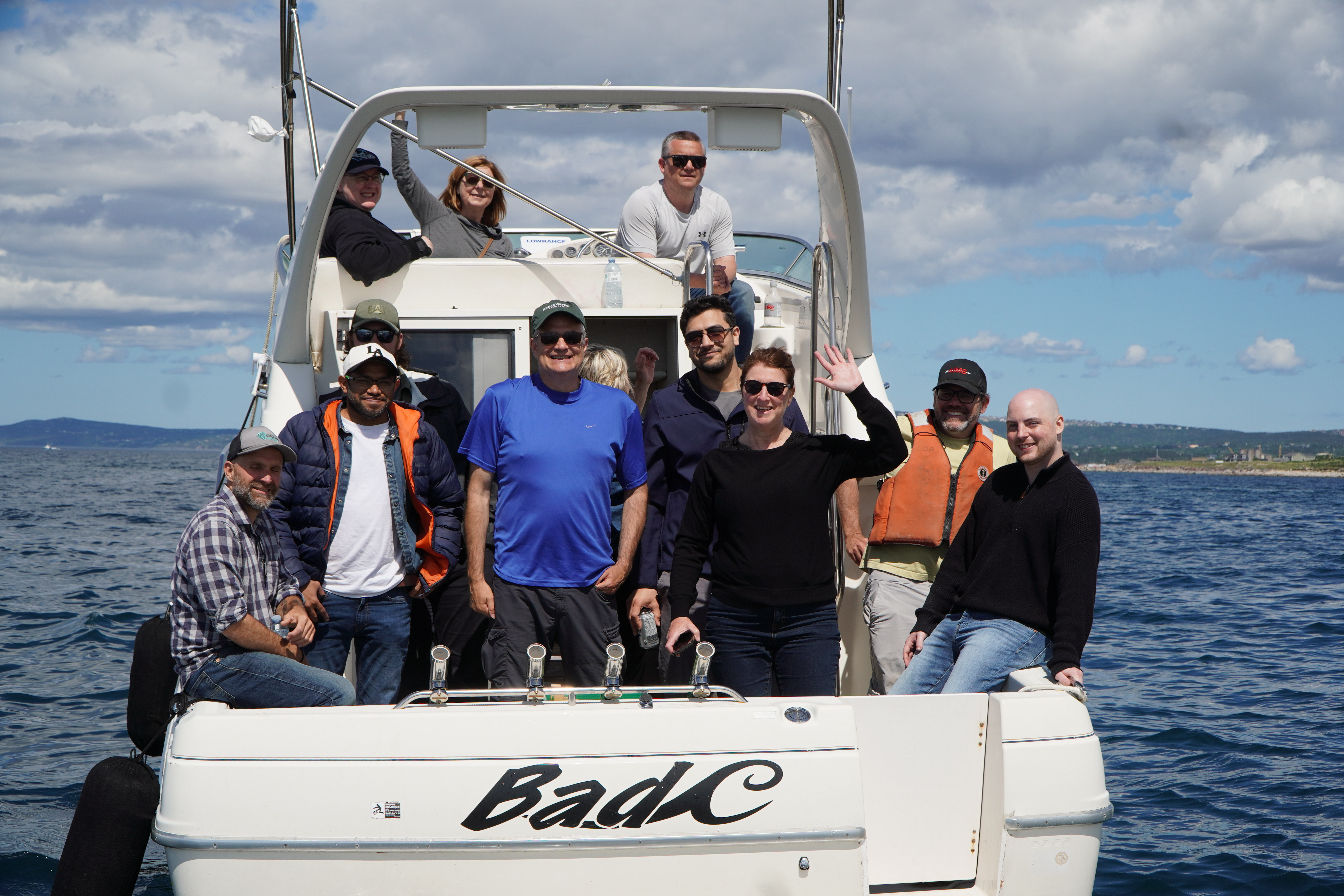
Annual General Meeting 2026: aquaculture innovation meets 750 years of seafood trade
Gathering on seafood's original trading floor
This November, we gathered at Fishmongers' Hall, in London where fish has been traded on the Thames since Roman times. The Fishmongers' Company has overseen London's seafood trade since its first Royal Charter in 1272, and more than 750 years on, its Fisheries Charitable Trust supports innovation in fisheries, aquaculture education and conservation. It made a fitting home for a day on aquaculture's future.
Aquaculture innovations on display
Today, more of the world's fish is farmed than caught, and aquaculture is the fastest-growing food industry. We back the founders and technologies transforming the industry.
Six companies from our portfolio showed how:
- Peptobiotics (Singapore) produces antimicrobial peptides as an alternative to antibiotics, starting with disease in shrimp farming.
- Rare Earth Global (UK) uses the whole hemp plant to make low-carbon ingredients for aquafeed and concrete.
- ANB Sensors (UK) makes solid-state pH sensors that need no calibration, for fish farms, water utilities and coastal monitoring.
- Oceanloop (Germany) farms Europe's first giant grouper in their software-driven recirculating aquaculture systems (RAS).
- Biosort (Norway) is developing individual-based sea lice control for salmon.
- KAS (Kuehnle AgroSystems, US) produces natural astaxanthin from microalgae through dark fermentation.
Feeding growth, building value
As a specialist investor, we bring more than capital to our portfolio companies. We pair it with sector knowledge and long-standing relationships across the value chain that generalist investors can't offer. At our 2026 Annual General Meeting, we set out how that works in practice,:
- Operating support. Embedding Operating Partners to set up the company's operating rhythm (KPIs and OKRs), shape the organization around pivotal hires, and step in with interim leadership.
- Strategic support. Board-level focus on governance, commercial prioritization and target market entry, across speciesand geographies.
- Commercial access. Direct introductions across the value chain, from fish farmers and processors to feed companies and end customers, togenerate business development opportunities and deepen industry insights.
- Capital support. Shaping the path to the next fundraise, structuring funding rounds and mobilizing co-investment syndicates.
And we also cultivate relationships with strategic buyers years ahead to develop several exit strategies.
Investor appetite on the rise
Investor appetite for aquaculture is growing, with new capital entering the sector and strong interest in the companies building its future. We expect that momentum to continue, and see strong opportunities across high-value supply chains like salmon as well as platform technologies whose application extends far beyond aquaculture. Our investment approach draws on nearly a decade in the sector, since we built the world's first aquaculture accelerator in 2017. Close to 90 investments on, our conviction is clear: breakthrough technology will reshape how the world farms blue foods.

Related posts
Takeaways from our U.S. aquaculture report launch
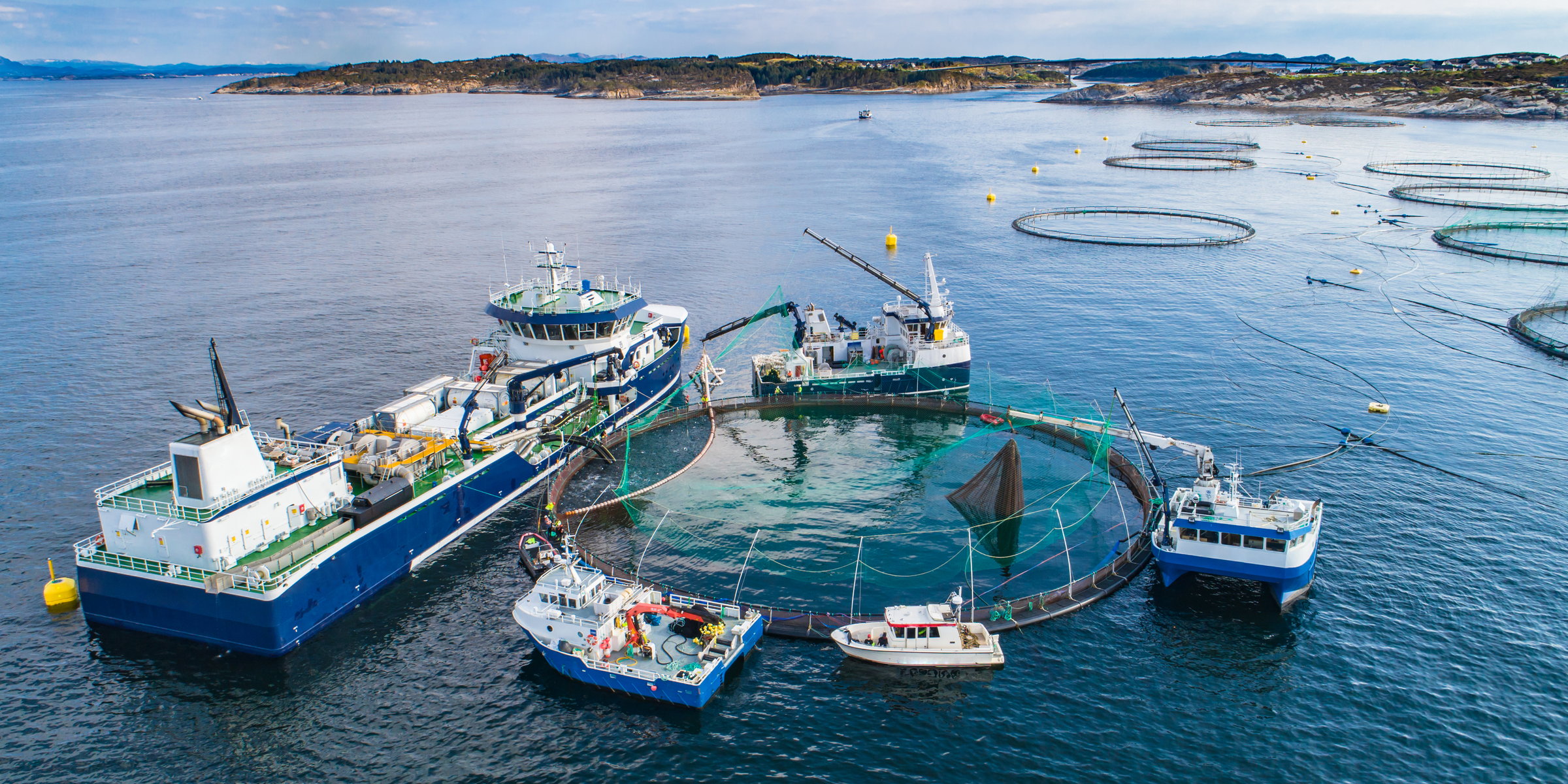
Where Is Capital Flowing in Norway’s Salmon Farming Landscape?
Maine: A Natural Hub for Blue Biotechnology