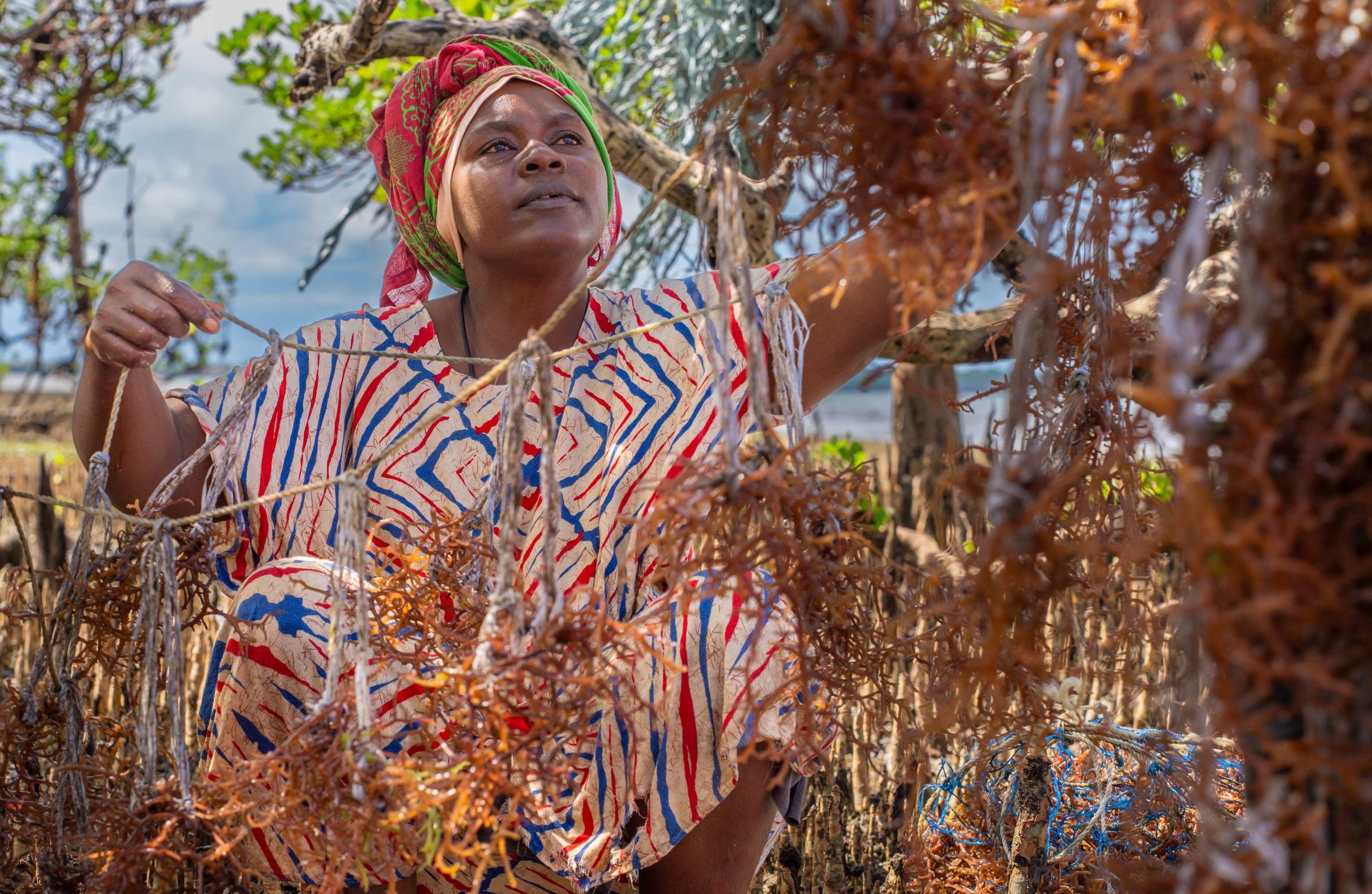
Mapping Africa's Seaweed Opportunity
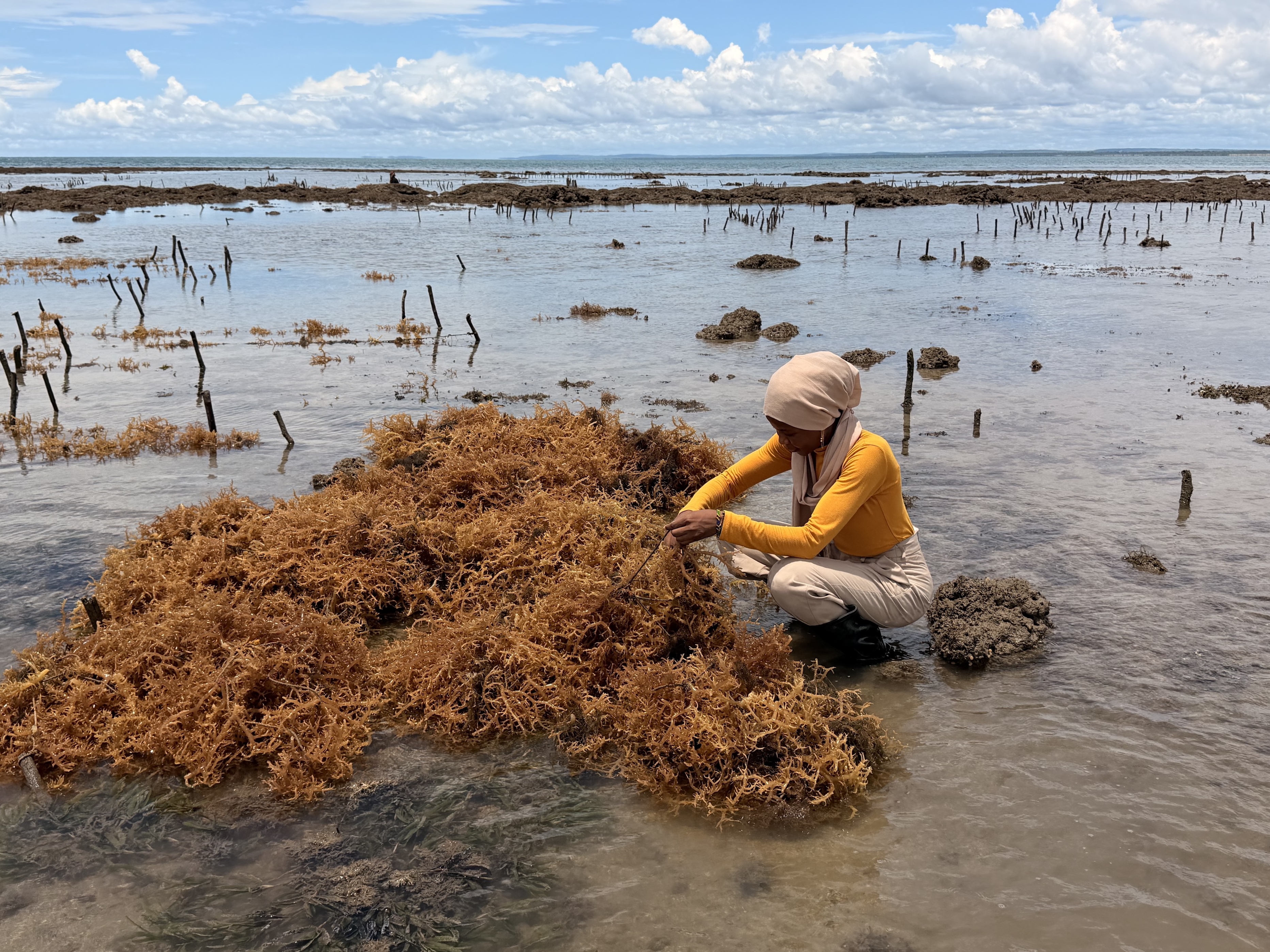
When we launched Seaweed Insights in 2022, the premise was simple: the global seaweed industry was growing fast, but the data underpinning most investment and sourcing decisions was thin. So we went to the source, visiting over 100 farms across six Asian countries to build the first open, field-based intelligence platform for the global seaweed sector. We've since expanded the series to Alaska and, most recently, published the Latin America and Caribbean edition, the first region-wide data platform for seaweed across six LAC countries.
Now we're setting our sights on Africa's seaweed sector, which is significant in scale and has commercial potential that remains largely untapped.
Significant Volumes, Growing Demand
According to official reports, Tanzania and Zanzibar produce tens of thousands of metric tonnes of farmed Spinosum and Cottonii annually, suggesting it's the largest seaweed farming operation outside Asia. Madagascar adds another a significant portion on top. On the ground, the figures might look different. The biological conditions across the continent's coastline are well-suited to production, and community interest in seaweed farming as a livelihood is growing. And yet the sector is systematically underrepresented in global market intelligence. Farm economics, supply chain infrastructure, processing capacity, and regulatory frameworks vary significantly across countries, and most of that simply isn't documented in a form that investors or buyers can act on.
The global seaweed market is expanding at roughly 10% annually, with growing applications in biostimulants, feed additives, and novel materials. Africa has the capacity to supply those markets, but not without better information on what's actually happening on the ground.
Early Signals From Our Work
We already have parts of that picture. Our policy gap analysis for The Nature Conservancy in Tanzania and Kenya provided direct insight into structural challenges: seed supply constraints, processing bottlenecks, and the disconnect between local farming realities and international buyer requirements. That work confirmed what the signals suggest: investor and buyer interest in East African seaweed currently outpaces the available data.
Our Women in Ocean Food Africa studio, held in Dar es Salaam in April, brought together 11 women-led ventures from seven countries across Sub-Saharan Africa. The cohort included seaweed enterprises such as Care Cove (Seamos, Zanzibar) and SeaBlue Innovators, developing value-added food, wellness, and cosmetic products alongside sustainable processing technologies. These founders showcased the commercial traction, innovation, and entrepreneurial energy already driving Africa's seaweed sector.
Africa's seaweed sector is further ahead than most capital markets assume. What it needs now is the data infrastructure to attract and inform the investment it merits.
We're actively developing the Seaweed Insights Africa platform and looking for partners who want to help map and tap into the commercial potential of Africa's seaweed sector. If that's you, we'd like to hear from you. Contact us here.
By Nitzan Unger, Hatch Blue - [June 2026]
Related Posts
Where Is Capital Flowing in Norway’s Salmon Farming Landscape?
Maine: A Natural Hub for Blue Biotechnology
Canada's First Aquaculture Studio: What We Learned