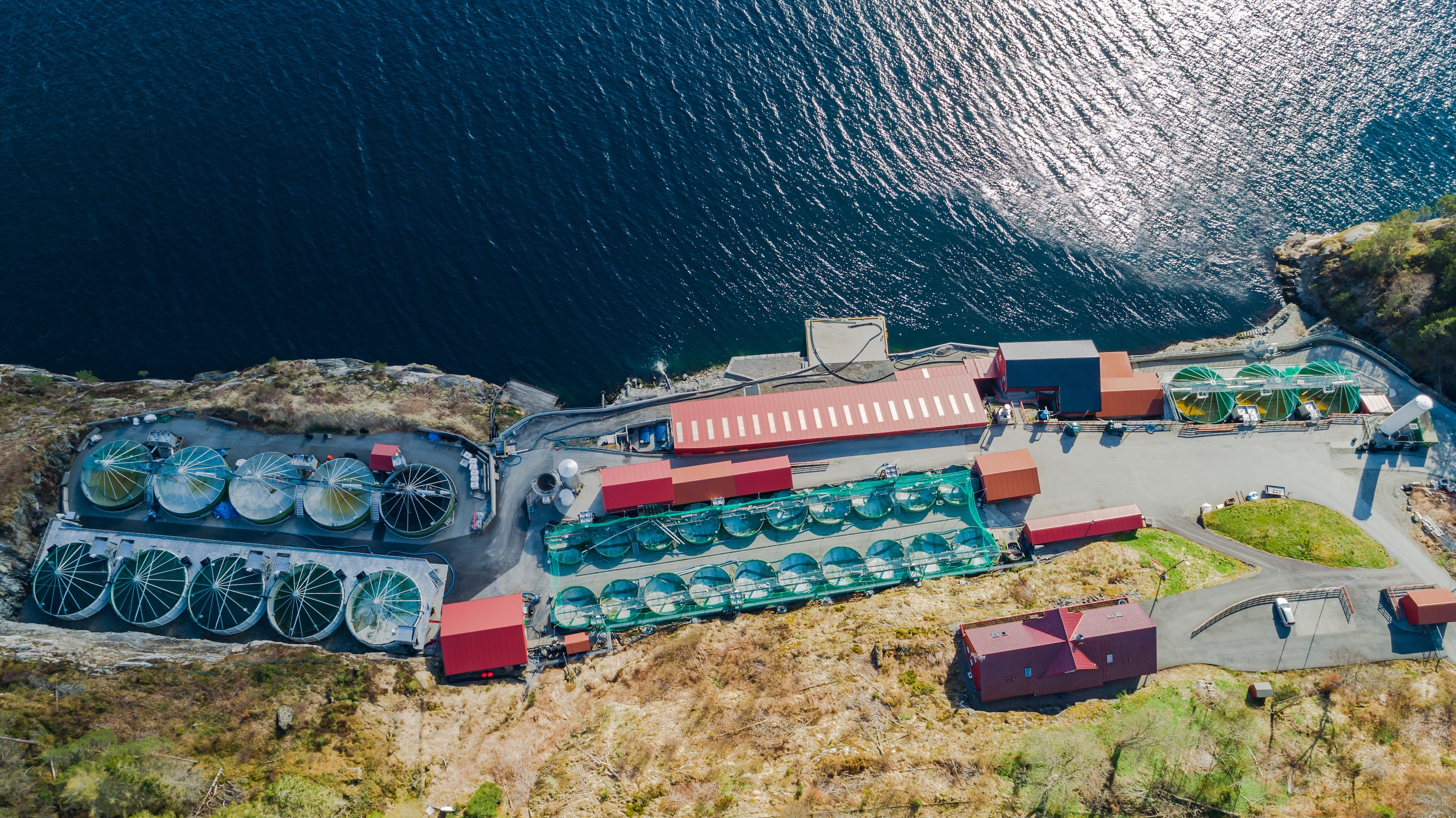
New Hatch Blue report maps barriers and opportunities for investment in U.S. aquaculture

October 15, 2026 – The United States has many of the ingredients for a thriving aquaculture industry: it is one of the world's largest seafood markets, with deep pools of capital, a strong research and innovation base, and significant natural resources. Yet an estimated 70–80% of the seafood Americans consume is imported, domestic aquaculture production remains relatively small, and investment in the sector is limited.
To explore this paradox, Hatch Blue has published a report, Unlocking Investment in U.S. Aquaculture: Barriers, Opportunities and Pathways Forward, developed with funding from the U.S. Small Business Administration's (SBA) Growth Accelerator Fund Competition.
Drawing on interviews with founders, investors, and other industry stakeholders, alongside publicly available research, the report examines the barriers to investment, identifies emerging commercial opportunities, and takes a closer look at five regional aquaculture hubs: Hawaiʻi, Alaska, California, Maine, and Washington.
Creating the conditions for investment at scale
One central finding of the report is that the challenge is not simply a shortage of available capital, but rather about creating the conditions in which aquaculture businesses can grow, demonstrate commercial viability, and attract the financing they need.
Stakeholder interviews pointed to several recurring barriers:
- Regulatory uncertainty and social license. The absence of a clear federal framework for offshore aquaculture, combined with fragmented state and local permitting processes, creates uncertainty over timelines and project approval. Local opposition can add further delays and risks.
- Limited domestic scale and commercial demand. With relatively few producers operating at significant scale, the U.S. offers a limited domestic customer base for aquaculture technology and service companies. Emerging categories such as seaweed also face challenges in developing reliable markets and off-take.
- A limited investment track record. Relatively few visible investment exits, alongside several high-profile business failures, have shaped investor perceptions and increased the importance of demonstrating credible economics and commercial traction.
- A mismatch between capital and business needs. Aquaculture encompasses very different business models. Some technology companies may be well suited to venture capital, while production businesses and infrastructure projects often require longer investment horizons and different financing structures.
The report identifies a number of ways to strengthen the conditions for investment in U.S. aquaculture. These include creating more continuous financing pathways that match different business models and stages of growth, developing markets and infrastructure alongside production, and making regulatory processes more predictable. The report also calls for positioning aquaculture more firmly within the U.S. food economy, recognizing its potential contribution to domestic seafood production, jobs, regional development, and supply-chain resilience.
Where are the opportunities?
Despite these barriers, the report identifies several areas where U.S. aquaculture businesses are well positioned to compete:
- Technology and biological inputs: The U.S. has significant capabilities in areas such as artificial intelligence, genetics, feed technologies, and biotechnology. Companies developing these solutions can serve established aquaculture markets worldwide, rather than relying solely on the relatively small domestic production base.
- Shellfish: An established domestic industry, experienced producers, and existing consumer demand provide a foundation for growth. Opportunities include premium positioning and regional branding.
- Seaweed: Opportunities are increasingly found beyond cultivation, particularly in downstream applications such as biostimulants, functional ingredients for food and cosmetics, and biomaterials. Developing these markets, alongside reliable off-take and processing capacity, will be important for commercial growth.
- Finfish: Opportunities are more selective, with potential in smaller-scale, land-based production of high-value species close to consumer markets. Offshore production could offer greater scale, but its prospects remain closely tied to permitting, capital requirements, and proven production economics.
The report also takes a closer look at five regional aquaculture hubs across the United States: Hawaiʻi, Alaska, California, Maine, and Washington. Each has its own mix of industry strengths, research capabilities, infrastructure, and market opportunities, illustrating how the potential for aquaculture development differs across regions and why there is no single path to growth.
In the report’s foreword, Georg Baunach, CEO and Co-Founder of Hatch Blue, writes:
"Through Hatch Blue’s work across the aquaculture industry, we have seen the importance of the U.S. market firsthand, both as a source of innovation and entrepreneurship and as a major center of investment capital... We hope the report helps clarify where the sector stands today and highlights where opportunities are emerging, while contributing to a practical conversation about what could help more aquaculture businesses reach the point where capital can follow."
Read the full report here.
Related Posts
Hatch Blue and UMITO Partners partner to launch a first-of-its-kind aquaculture innovation studio in Japan
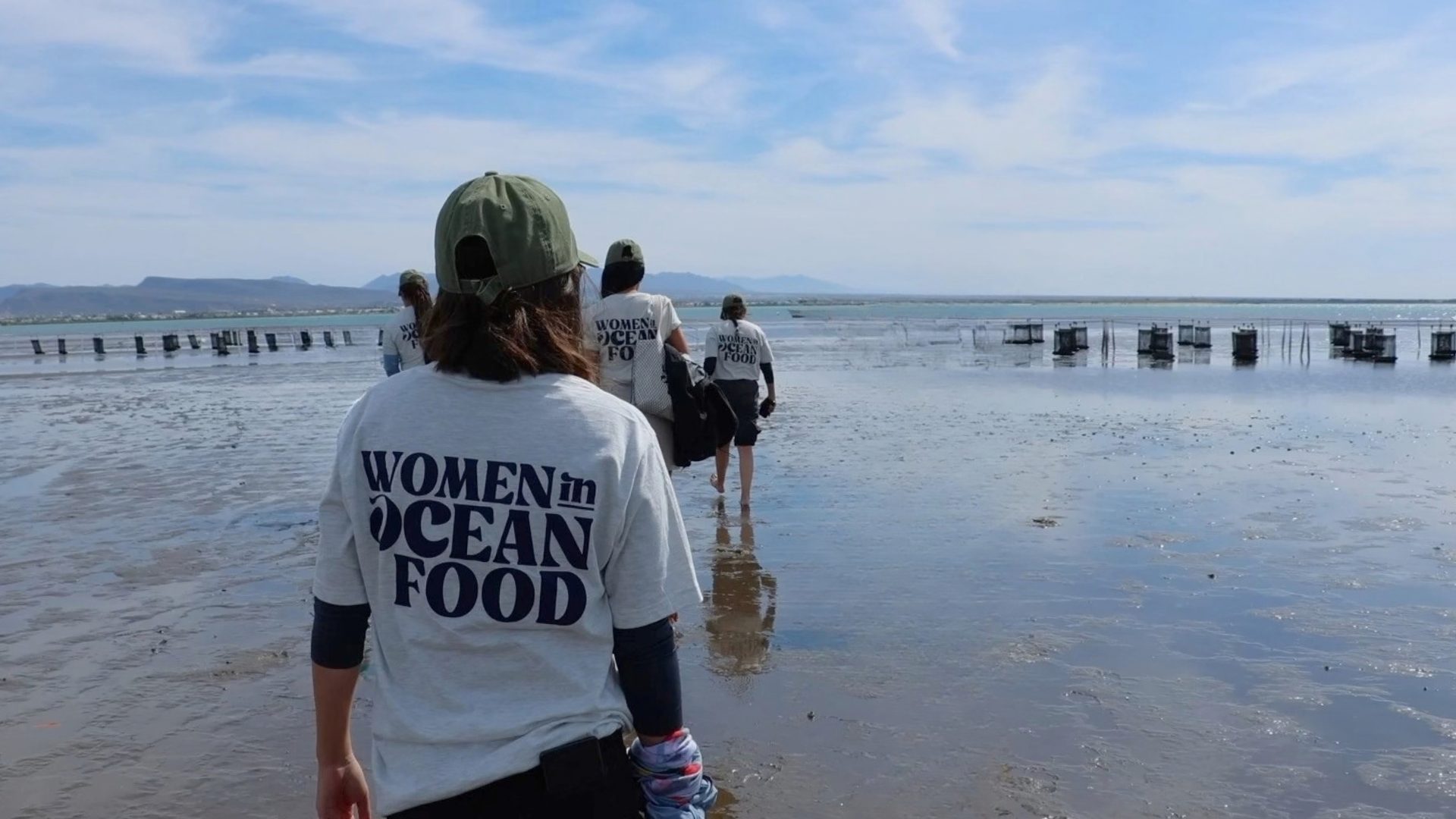
Women in Ocean Food opens 2027 applications in Mexico, as alumni companies reach USD 11.7 million raised
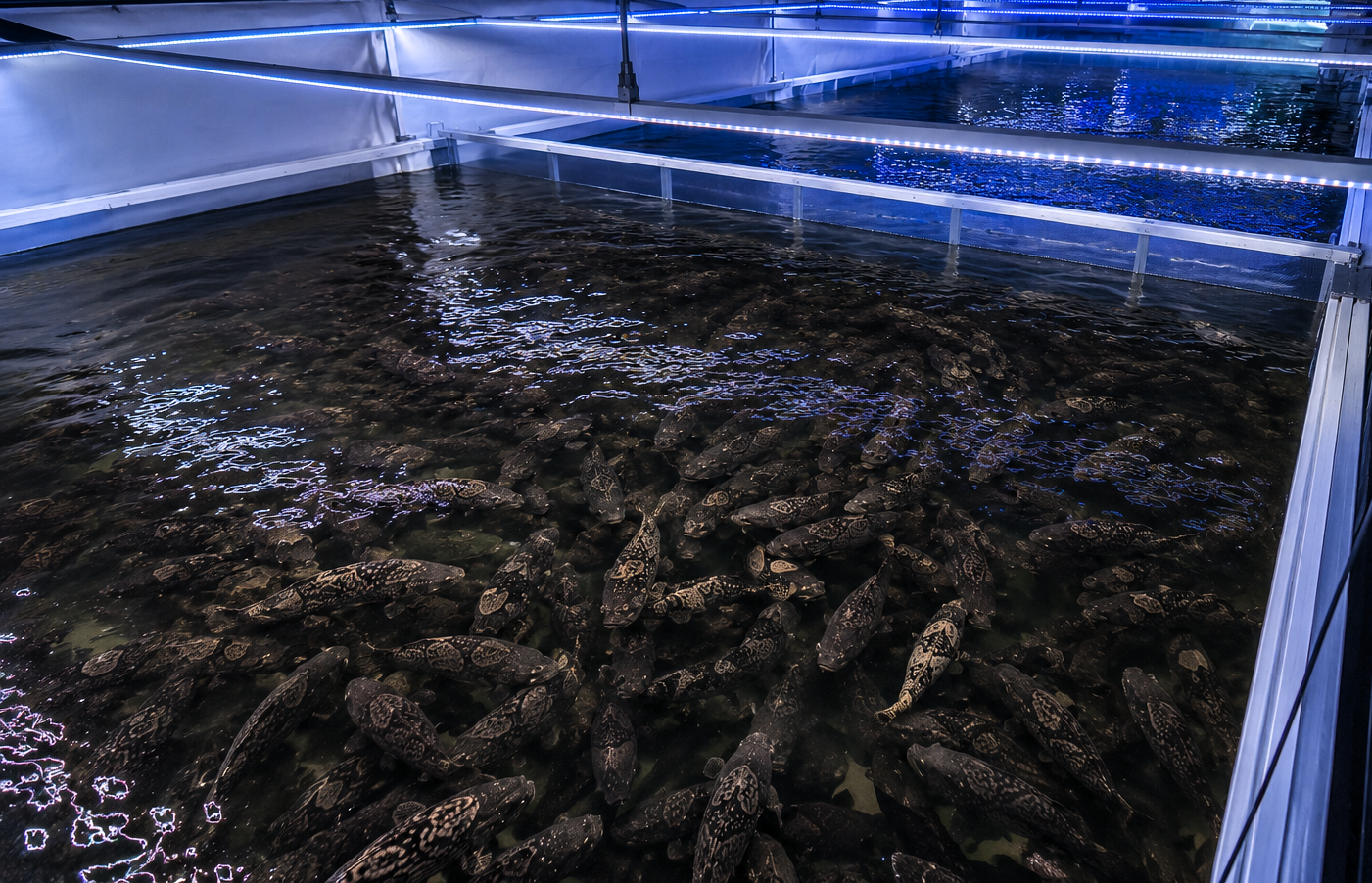
Oceanloop secures up to €38.5 million to scale Europe’s first farmed Giant Grouper