Fjord-born innovations: Showcasing Sustainability at the Nordic Silicon Valley of Aquaculture
Norway’s coastline is defined by its fjords, deep ribbons of water carved by ancient glaciers that have shaped the history and identity of our coastal communities. Today, these fjords serve as the center of the global aquaculture sector, providing a key source of economic income to many coastal communities – and a hub for the latest technologies shaping both the industry and its environment.
Often called the “Silicon Valley of Aquaculture”, the city of Bergen also makes for a befitting host to One Ocean Week, an key industry event focusing on the sustainable use of the oceans. During this year’s event, I saw firsthand how Bergen’s seafood heritage of hanseatic cod trading is evolving towards high-tech ocean innovation to solve global food challenges, and how the next wave of progress will be about the precision and data required to keep our oceans healthy.
Seven Lessons from the Fjords
My week was a deep dive into the tech currently redefining our relationship with the water. From autonomous robotics to AI-driven biological monitoring, here are the key messages I took home from the front lines:
- Autonomous Cleaning Solutions: Hatch Blue portfolio companies like Remora Robotics are leading the way in autonomous robotics designed for harsh aquaculture environments, running autonomously to ensure a clean environment for better fish welfare and mitigate fish escapees.
- New feeding strategies: Hatch Blue portfolio company Planktonic (Live Feed) focuses on the very start of the life cycle, providing high-quality live feed (cryopreserved barnacle nauplii) that significantly improves the growth and survival rates of marine larvae in hatcheries.
- Precision Through AI and Robotics: Visiting Aquabyte was an eye-opener regarding how AI-driven underwater cameras are changing the game. By automating sea lice counting and biomass estimation, farmers can make data-backed decisions that prioritize fish welfare.
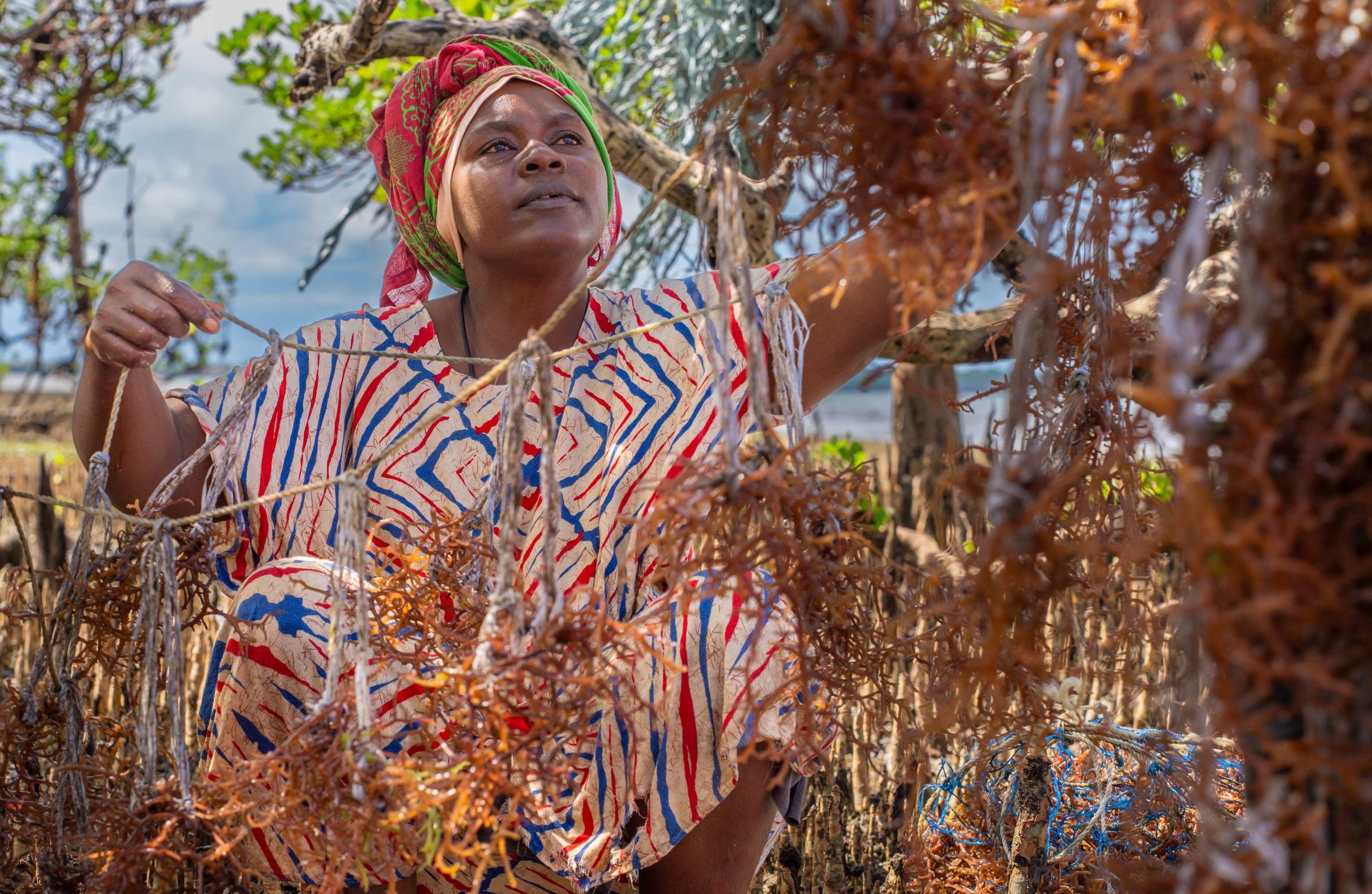
- Kelp the new superpower: At the Arctic Seaweed site in Øygarden, I saw how modular, automated cultivation is turning seaweed into a scalable carbon sink and a legitimate sustainable food source,
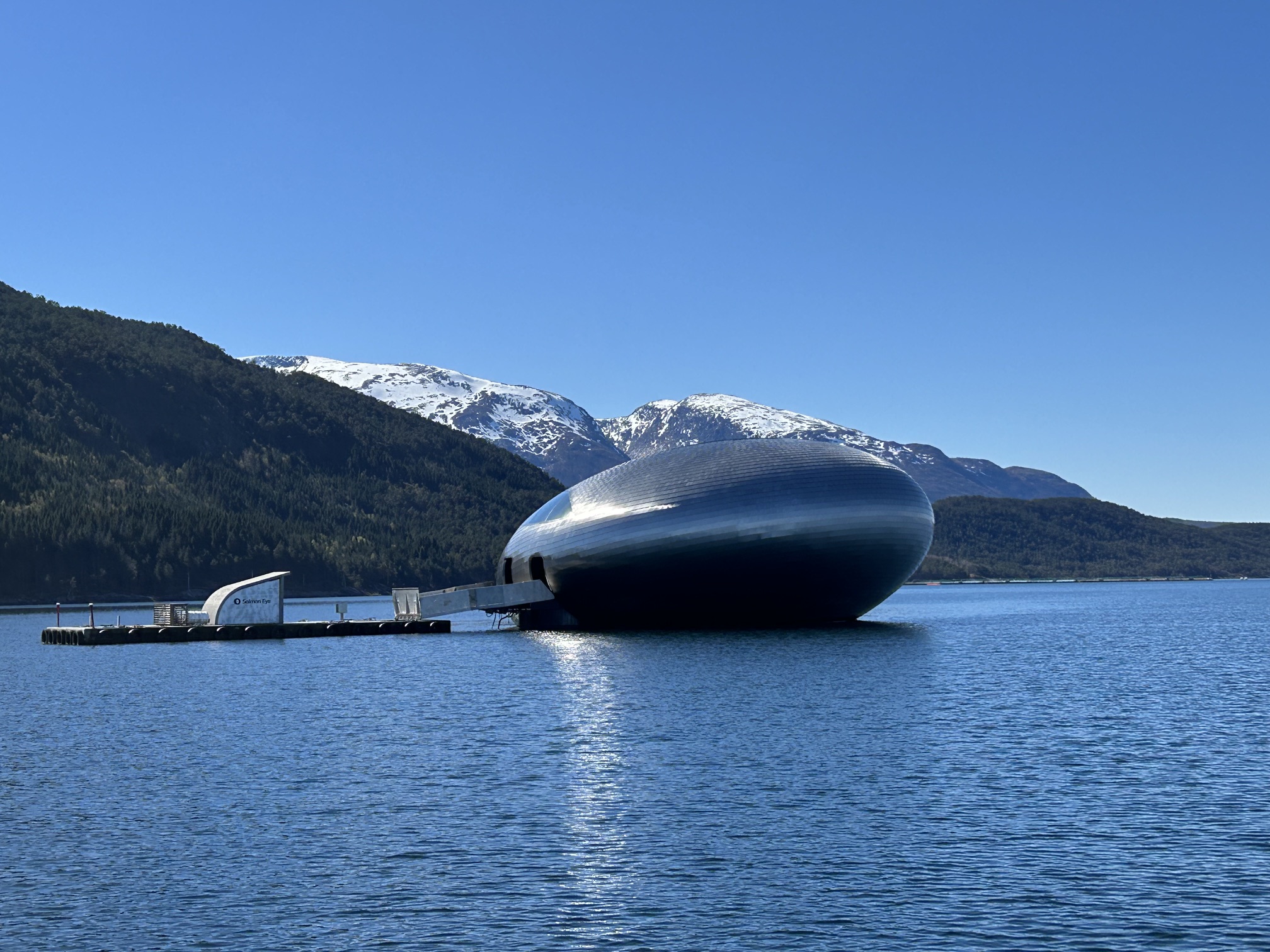
- Revolutionary farming infrastructure: The Watermoon, developed by 3rd generation of salmon farmers Sondre and Erlend Eide from Eide Fjordbruk, shifts salmon farming into a more sustainable direction through waste collection and by fully controlling the environment where the fish is being farmed to protect the fjords
- Proactive Health Diagnostics: Wellfish Tech is moving health monitoring from reactive to proactive, using blood-based clinical chemistry to give fish a "blood test," detecting stress or disease before physical symptoms appear.
- Cryogenetics (Genetics & Preservation): Specializing in the cryopreservation of fish milt, this technology allows for better management of genetic resources, ensuring long-term biodiversity and more efficient breeding programs for the global industry.
Beyond technology, a striking takeaway was that innovation isn't just happening underwater. The Salmon Eye visitor center – a stunning floating installation in the Hardangerfjord – serves as a n important reminder that transparency regarding the environmental footprint of farming is essential. We must bridge the gap between high-tech production and public understanding to move the industry forward.
From the Norwegian Cold Waters to the Global Warm Waters
While these breakthrough innovations were born in Norway’s cold-water fjords to benefit the local salmon industry, their potential extends far beyond. The sensors and AI systems I witnessed are exactly what is needed to scale sustainable aquaculture in warm water regions.
During One Ocean Week, I had the great pleasure of hosting two organizations advancing this exchange: Cuna Del Mar, an investment company scaling warm water aquaculture, and the Center for Applied Aquaculture Innovation (CAAI), an innovation "hub" focused on scaling warm water aquaculture development and facilitating tech exchange for adapting cold water innovations therein.
At Hatch Blue, we are honored to be part of an emerging related innovation initiative in Mexico. By linking the expertise of cold-water leaders with the unique needs of global markets, we can accelerate technological development for a healthier planet. Reach out to us for an exchange on how these fjord-born cold water innovations could be adapted to overcome aquaculture challenges in your local waters.
Tanja Hoel, Managing Director, Hatch Blue Consulting - [21 May 2026]
Related Posts
Where Is Capital Flowing in Norway’s Salmon Farming Landscape?
Maine: A Natural Hub for Blue Biotechnology
Canada's First Aquaculture Studio: What We Learned